
"Yemen Bani Matar"
210 article(s) found

Introduction to the characteristics of Flavor and Taste Grinding degree of Matari Mocha Coffee
Introduction of boutique coffee beans around the world early Yemeni coffee was mainly exported from the port of Mocha, so the coffee exported from here later took Mocha as its name. Yemeni coffee is famous for Mattari and Sanani, of which Matari tastes rich, has strong acidity and has the taste of cocoa, while Sana

Introduction to the planting History of famous Coffee beans in Yemen the difference between Mayili coffee beans and mocha coffee beans in Yemen
Professional coffee knowledge exchange more coffee bean information please follow the coffee workshop (Wechat official account cafe_style) for lovers who dabble in coffee slightly, when it comes to Yemeni coffee, it is easy to associate it with Mocha. Yemen has a long history of growing coffee. By the early 17th century, Yemeni coffee beans began to be exported to Europe from the southwestern port of Mocha, and Europeans began to use them.

Global Coffee producing area in Yemen
Before the 6th century AD, Yemen was called Arabia, so coffee trees shipped from Yemen to other places were also called Arabian coffee trees. But the origin of these trees is Ethiopia. Yemen is the first country in the world to produce coffee on a large scale as a crop. Today, coffee farmers in Yemen still use the same method to produce coffee as they did 500 years ago.

Boutique coffee recommends coffee from Yemen
Before the 6th century AD, Yemen was called Arabia, so coffee trees shipped from Yemen to other places were also called Arabian coffee trees. But the origin of these trees is Ethiopia. Yemen is the first country in the world to produce coffee on a large scale as a crop. Today, coffee farmers in Yemen still use the same method to produce coffee as they did 500 years ago.

Yemeni Coffee Map the connection between Yemeni Coffee and Mocha Coffee which is the most expensive in Yemen
Professional coffee knowledge exchange more coffee bean information please follow the coffee workshop (Wechat official account cafe_style) for lovers who dabble in coffee slightly, when it comes to Yemeni coffee, it is easy to associate it with Mocha. Yemen has a long history of growing coffee. By the early 17th century, Yemeni coffee beans began to be exported to Europe from the southwestern port of Mocha, and Europeans used the mocha.

Coffee in Yemen details the origin of coffee in Yemen
Before the 6th century AD, Yemen was called Arabia, so coffee trees shipped from Yemen to other places were also called Arabian coffee trees. But the origin of these trees is Ethiopia. Yemen is the first country in the world to produce coffee on a large scale as a crop. Today, coffee farmers in Yemen still use the same method to produce coffee as they did 500 years ago.

A brief introduction to the planting market price of Yemeni boutique coffee bean varieties with endless aftertaste
The origin of these trees is Ethiopia. Yemen is the first country in the world to produce coffee on a large scale as a crop. Today, Yemeni coffee farmers still produce coffee in the same way as they did 500 years ago. Coffee berries grow naturally on trees, without any artificial fertilizers or pesticides, receive a small amount of rain and fog on the hillside in summer, blossom and bear fruit.

Yemen mocha coffee beans what kind of_mocha coffee beans ranking_single mocha coffee beans characteristics
Yemeni coffee origin: Yemen produces bean-shaped berry coffee beans (Peaberrybean): This coffee bean is smaller and rounder than most coffee beans, looks like peas, and is sometimes called mocha coffee beans. Mocha coffee beans are shaped like Ethiopian hala

Brief introduction of Yemeni mocha Coffee what are the flavor characteristics of Yemeni mocha coffee
Professional coffee knowledge exchange more coffee bean information please follow the coffee workshop (Wechat official account cafe_style) Yemeni mocha coffee beans Coffee origin: Yemen produces bean-shaped berry coffee beans (Peaberrybean): this coffee beans are smaller and rounder than most coffee beans, look like peas, sometimes also known as mocha coffee beans. The shape of mocha coffee beans is the same as that of ai.

Global Coffee producer-Yemeni Coffee Market
Before the 6th century AD, Yemen was called Arabia, so coffee trees shipped from Yemen to other places were also called Arabian coffee trees. But the origin of these trees is Ethiopia. Yemen is the first country in the world to produce coffee on a large scale as a crop. Today, coffee farmers in Yemen still use the same method to produce coffee as they did 500 years ago.
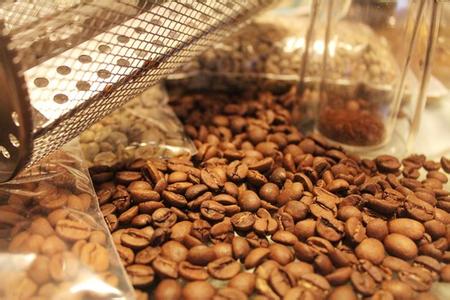
Yemeni Coffee Features and Markets of Yemeni Coffee
Yemen was known as Arabia until the 6th century AD, so coffee trees transported from Yemen to other places were also called Arabic coffee trees. But the origin of these trees is Ethiopia. Yemen was the first country in the world to produce coffee on a large scale as an agricultural crop. Yemeni coffee farmers still produce coffee the same way they did 500 years ago.

What boutique coffee beans are there in Yemen?
For more information on coffee beans, please follow the coffee workshop (Wechat official account cafe_style) Mokamadali (Mokha Mattari): the most famous coffee market name in the province of Mardali, west of the Yemeni capital Sanaa (another word is Bany Mattar). It is coffee produced at high altitude and usually has good red wine.

A brief introduction to the cultivation of Yemeni boutique coffee beans with unique flavor, geographical location, climate and altitude
Yemeni coffee market: Yemeni coffee is exported from December to April of the following year. The problem in the past has been that coffee from the north was mixed with shoddy stuff before it was shipped from the southern port of Aden. Only coffee shipped from the port of Hodeida can be determined to come from the north. The vast majority of coffee in Yemen is grown under natural conditions, mainly

Yemeni coffee beans with endless aftertaste Geographical location Climate Altitude Profile
Yemen coffee origin: Yemen produces bean-shaped berry coffee beans (Peaberrybean): This coffee bean is smaller and rounder than most coffee beans, looks like peas, and is sometimes called mocha coffee beans. Mocha coffee beans are similar in shape to Ethiopian Harrar coffee beans, which are granular.

Yemen mocha coffee where to drink Yemen mocha coffee recommended which shop
Professional coffee knowledge exchange More coffee bean information Please pay attention to coffee workshop (Weixin Official Accounts cafe_style) Yemen mocha coffee beans Coffee origin introduction: Yemen produces bean-shaped berry coffee beans (Peaberrybean): This coffee bean is smaller and rounder than most coffee beans, looks like peas, and is sometimes called mocha coffee beans. Mocha coffee beans are similar in shape to Ethiopia.

Yemeni coffee farm producing areas grow coffee beans varieties of Yemeni coffee what are the boutique coffee beans?
For more information on coffee beans, please follow the coffee workshop (Wechat official account cafe_style) Coffee production in Yemen: bean-shaped berry coffee beans (Peaberrybean): these beans are smaller and rounder than most and look like peas, sometimes known as mocha coffee beans. The shape of mocha coffee beans is similar to that of Ethiopia's Ha.
Yemeni Coffee producing area Manor planting situation how Yemeni Coffee is grown and whether the number of Coffee beans is large
For more information on coffee beans, please follow the coffee workshop (Wechat official account cafe_style) Coffee production in Yemen: bean-shaped berry coffee beans (Peaberrybean): these beans are smaller and rounder than most and look like peas, sometimes called mocha beans. The shape of mocha coffee beans is similar to that of Hara (H.

Yemeni fine coffee beans with complete grain shape Flavor Taste Aroma Description Introduction
Mokha Ismaili: is one of the traditional ancient tree species, the market name for a famous coffee from central Yemen, and is also described as a botanical classification of traditional Yemeni coffee with high beverage quality. Grown at high altitudes, above 6500 feet, the beans are characterized by a more rounded shape, smaller bean shape than martali, thick taste, high complexity, average

A brief introduction to the description of the flavor and aroma characteristics of Matari mocha coffee with obvious sweetness
The name Mocha can be written in several ways, such as Mocca, Mocha, Moka and Mokha, but they all mean the same thing. Mocha beans are especially obvious in deep roasting because of their unique chocolate flavor, so a fancy coffee flavored with chocolate sauce takes mocha as its name. Matta mocha: the best of mocha coffee, like the top

Yemeni coffee map Yemeni famous coffee bean mocha flavor characteristics Yemen mocha coffee bean price list
Professional coffee knowledge exchange more information about coffee beans Please follow the coffee workshop (Wechat official account cafe_style) for lovers who dabble in coffee slightly, when it comes to Yemeni coffee beans, it is easy to think of mocha. Yemen has a long history of growing coffee. By the early 17th century, Yemeni coffee beans began to be exported to Europe from the southwestern port of Mocha, and Europeans began to export them.